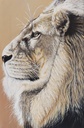
Hi, I'm Hardeep Kaur — the artist behind every fierce tiger, shadowy black panther, and majestic elephant you see in my Wildlife Gallery on hardeepart.com.
When you collect one of my original acrylic paintings, you're not just getting a piece of art — you're capturing a moment of raw, wild beauty that deserves to stay vibrant and powerful for decades. Acrylics are durable and full of life, but they still need love and smart care to avoid fading, dust buildup, or damage.
Here are the practical tips I follow and recommend to all my collectors:
1. Smart Display & Lighting Choices
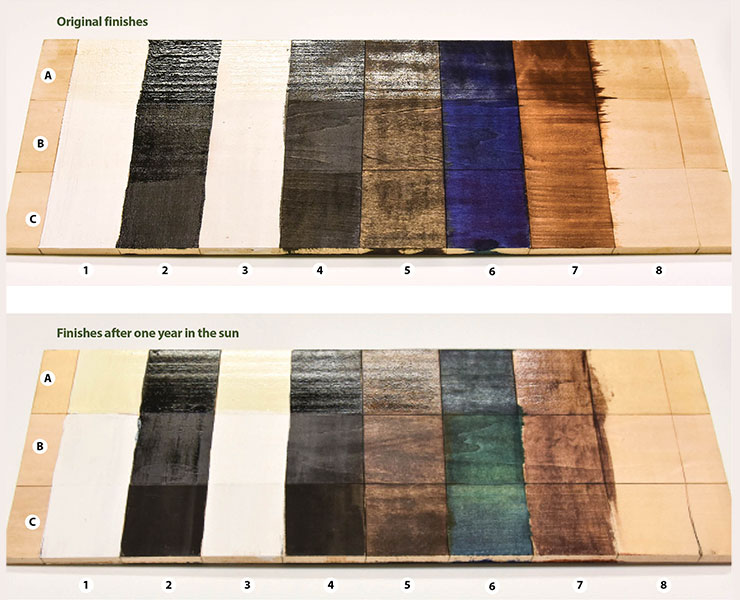
Nothing kills the magic faster than direct sunlight — UV rays fade those intense oranges in my tiger stripes or the golden glow in a panther's eyes.
My tip: Hang your painting on a north-facing wall or in a spot with indirect natural light. Always use UV-protective glass or acrylic in the frame, and go for cool LED spotlights (no heat, no UV).
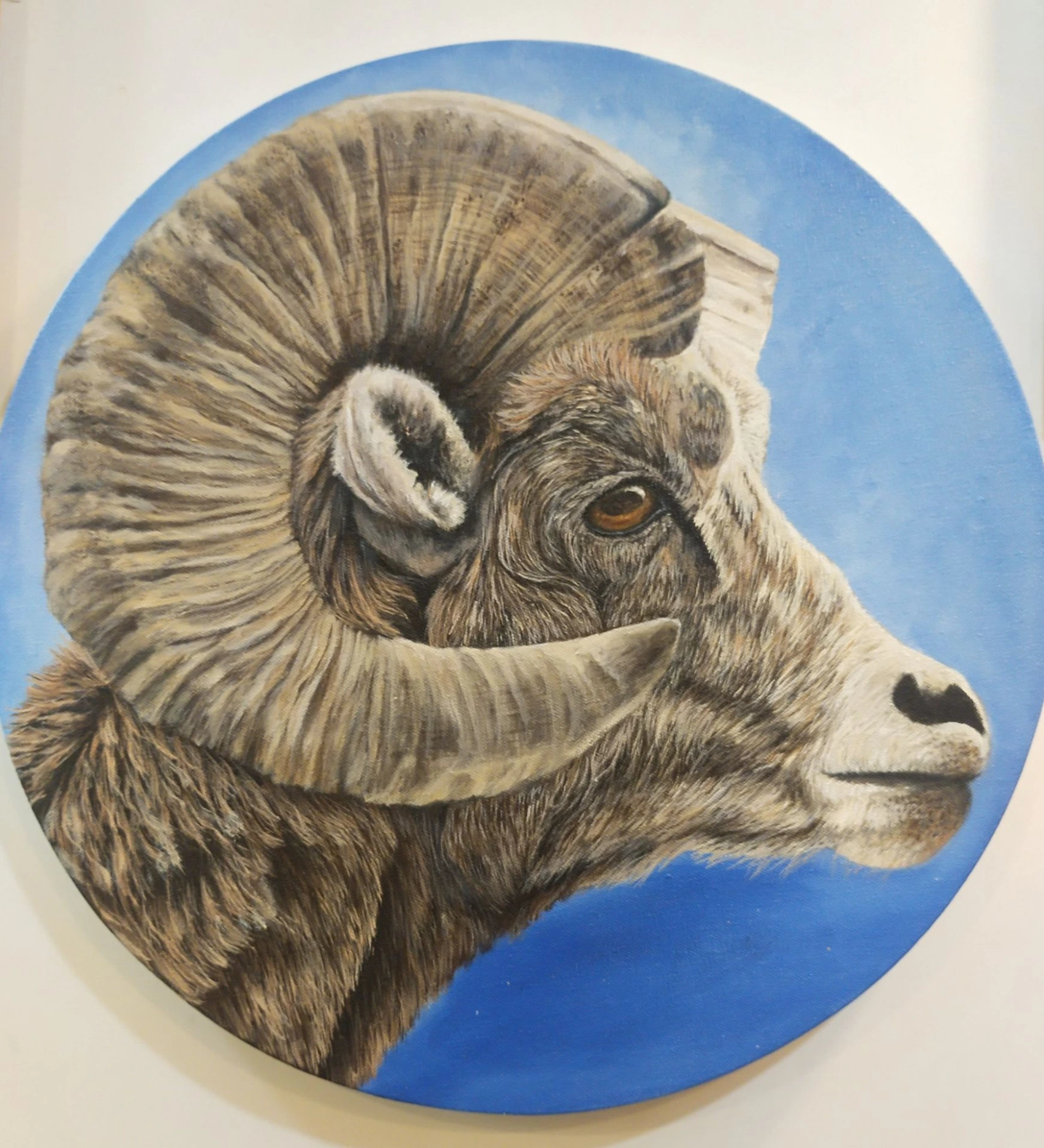
Use this stunning example from my style — a detailed tiger emerging from shadows (perfect for showing why good lighting matters):
And this comparison shows the devastating effect of sunlight over time (before & after fade):
2. Keep Temperature & Humidity Steady
Acrylic paintings hate extremes. Aim for 40-55% humidity 18-22°C year-round. Too dry? The canvas might crack. Too humid? Mold risk rises.
Avoid kitchens, bathrooms, or spots near heaters/AC vents.
3. Choose Pro Framing & Mounting
Always use acid-free mats, backing, and UV-filtering glass/plexi. This stops yellowing and protects the surface.
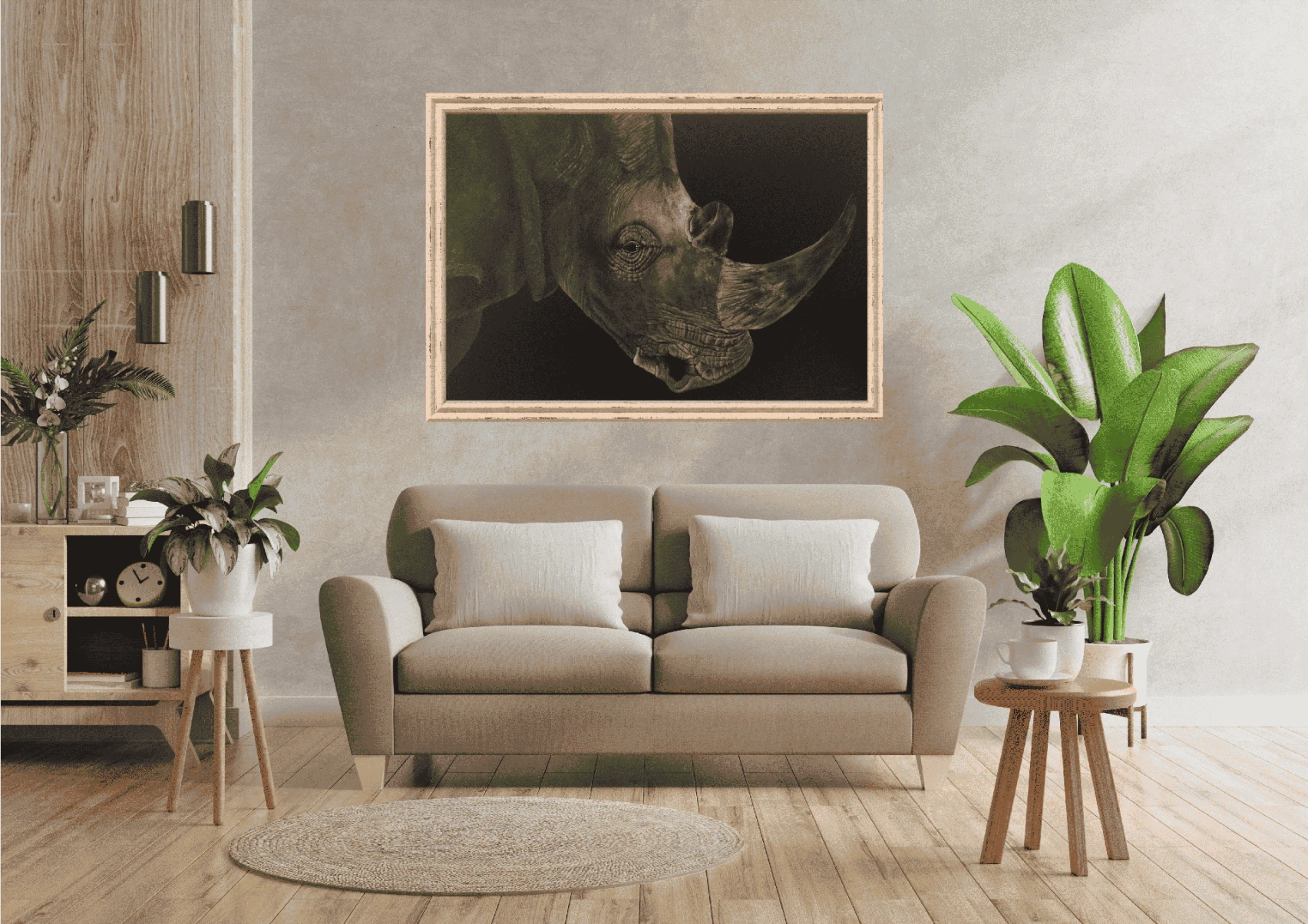
Here's a properly framed wildlife piece on display with safe lighting (museum-quality example):
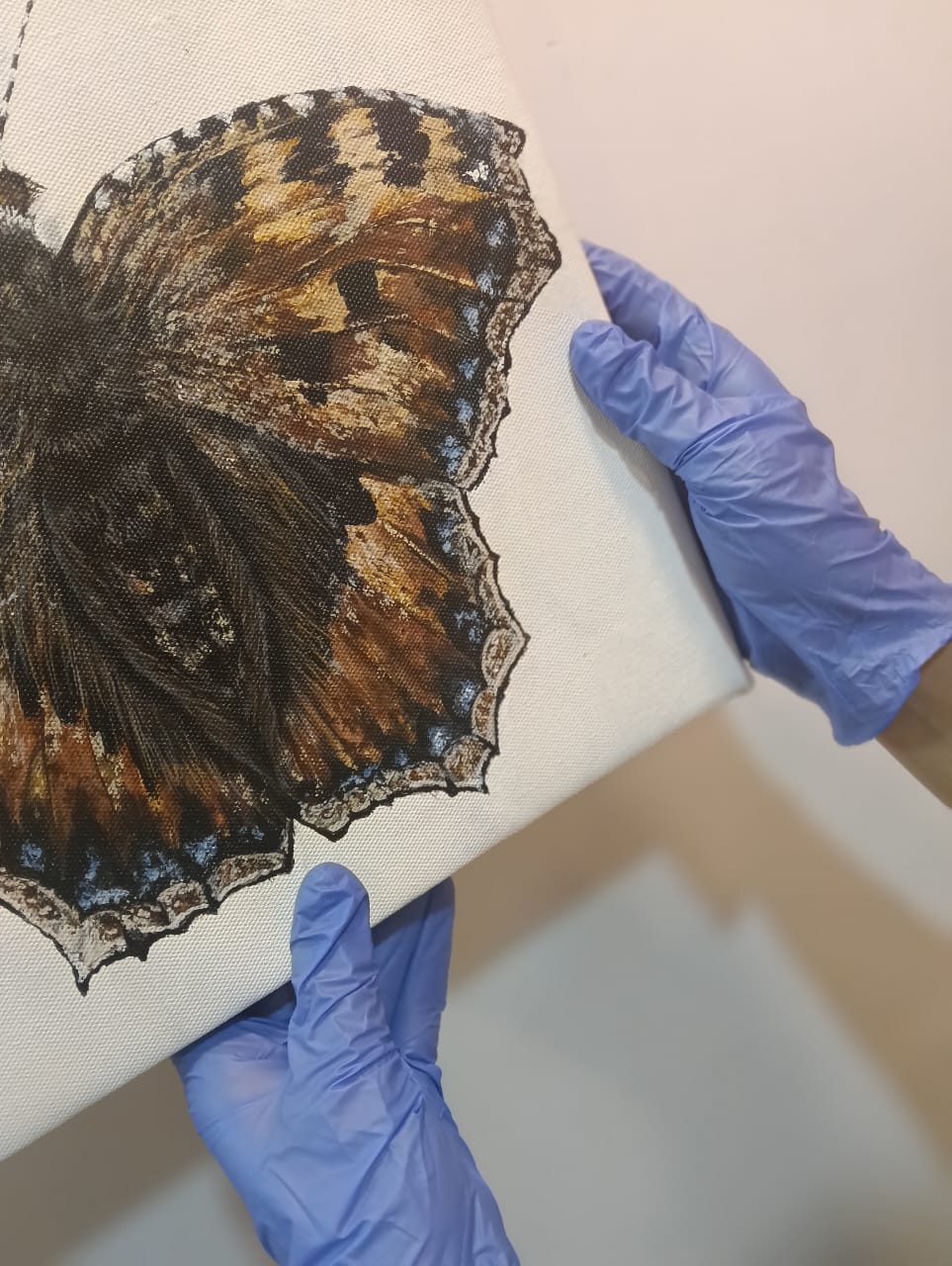
4. Gentle Handling – Gloves On!
Never touch the painted surface — skin oils can leave permanent marks. Wear clean cotton gloves every time you move it.
Pro handling tip: Treat it like the wild animal it depicts — with respect and care.
See careful handling in action:
5. Easy Regular Cleaning
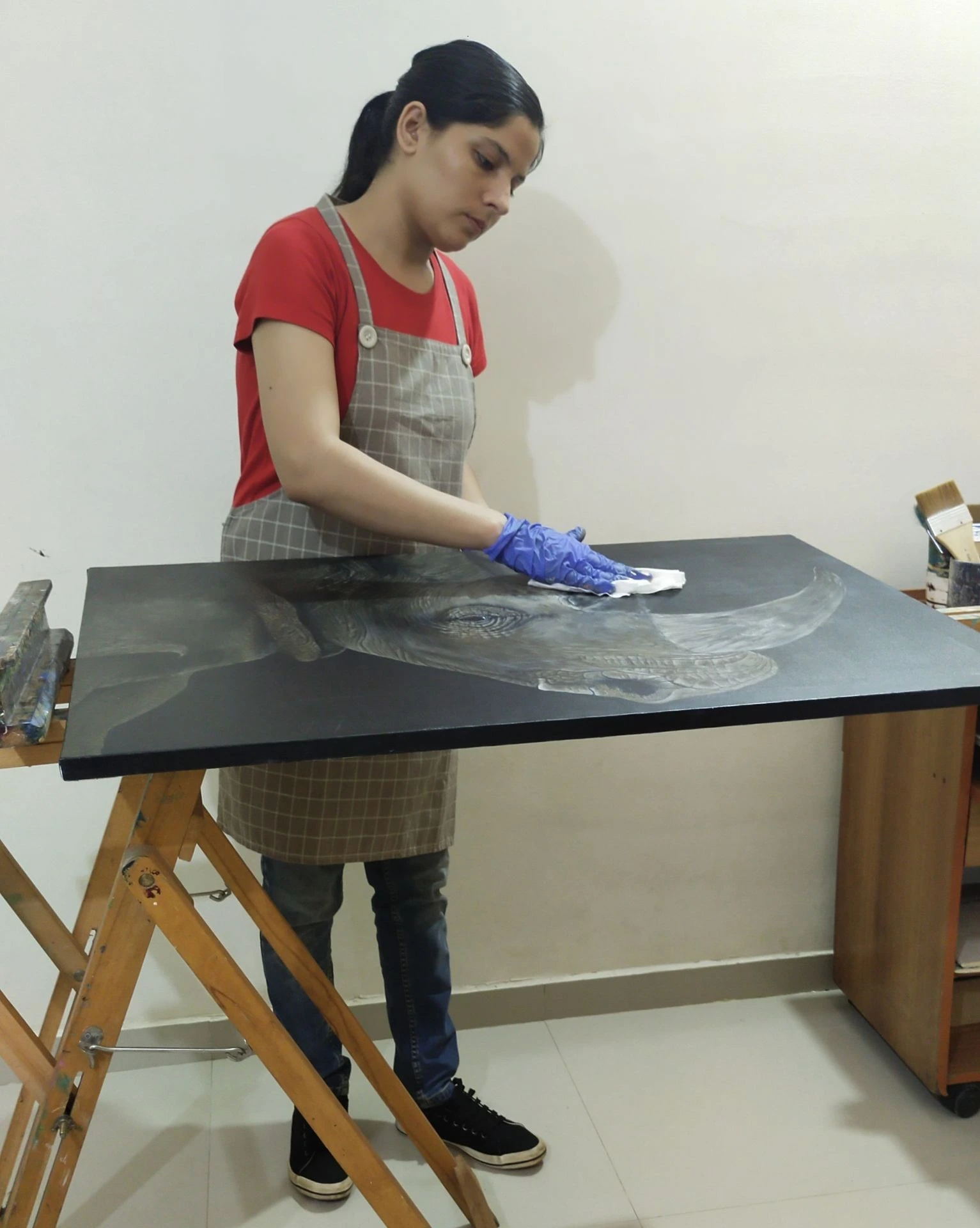
Dust lightly every 1-2 months with a soft brush or microfiber cloth. No water, sprays, or chemicals — acrylics don't like them!
If it needs deep cleaning, call a professional conservator.
Gentle dusting technique demo:
6. Quick Extra Essentials
- No direct surface touching — ever.
- Pest-free zone — keep the area clean.
- Safe transport/storage — acid-free wrap, climate-controlled, no stacking.
- Pro restoration only — DIY can worsen things.
- Insure & document — photos, certificates, provenance.
- Regular checks — inspect every few months.
- Skip fireplaces — smoke and soot are silent killers.
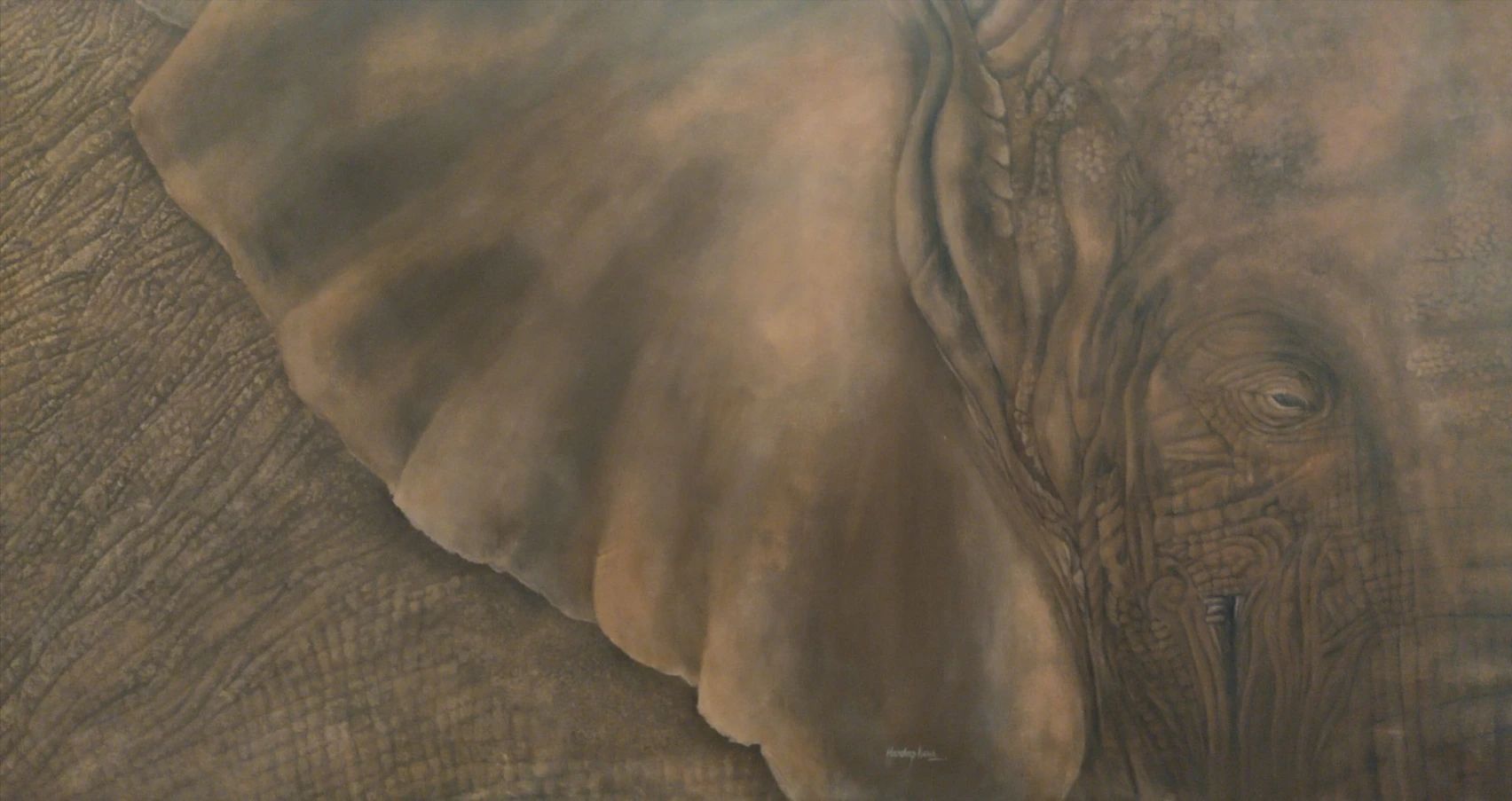
One more favorite to inspire you — a powerful elephant portrait with incredible texture and depth (imagine preserving that lifelike skin forever):
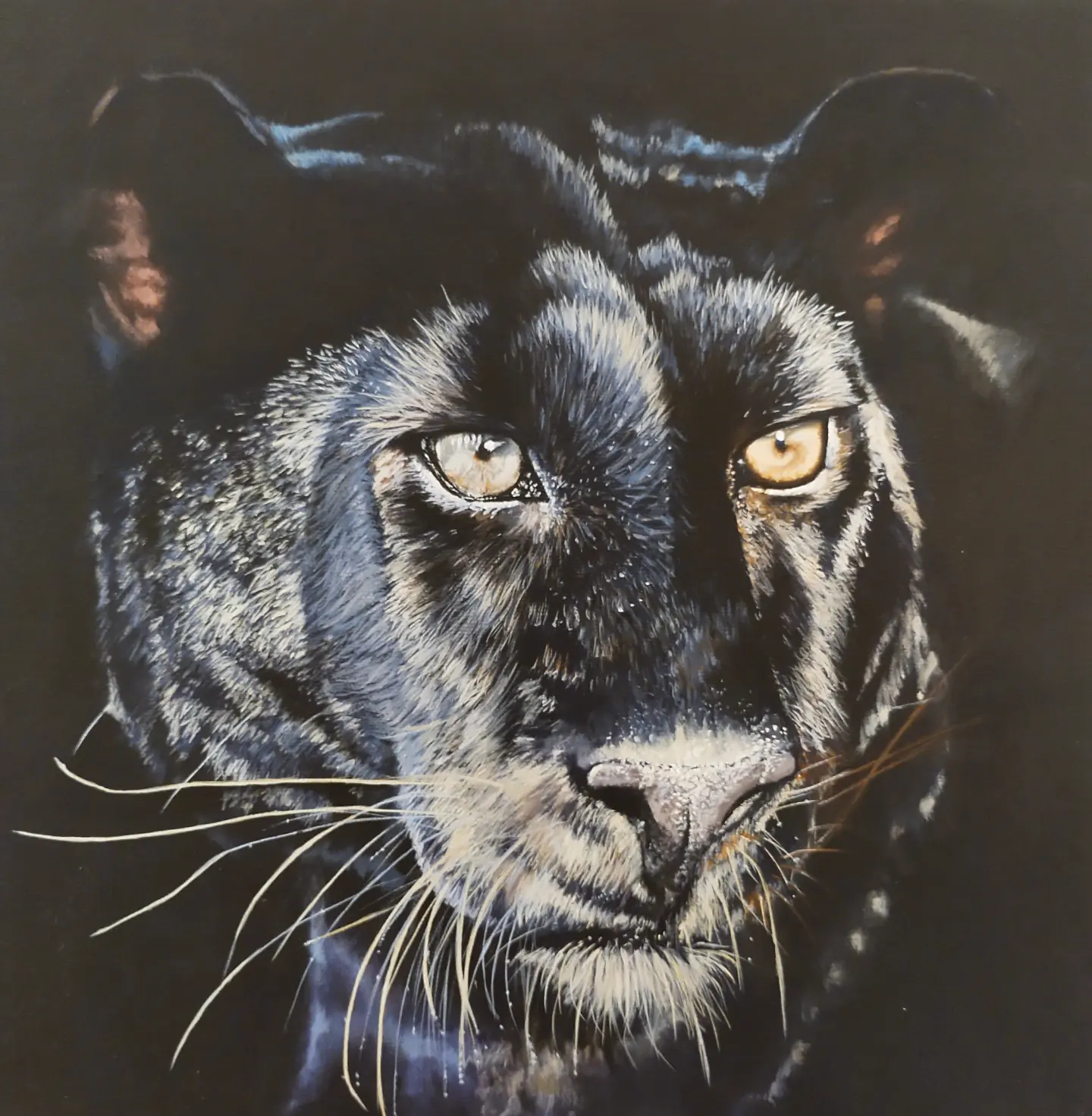
And here's my signature black panther style — intense eyes glowing against the dark (keep it protected to maintain that dramatic power):
Follow these steps, and your acrylic wildlife painting will remain as alive and striking as the day you first saw it in my gallery.
If you own one of my originals (tiger, black panther, elephant, or any other masterpiece) and need personalized advice, just reach out — I'm here to help!
Browse the full Wildlife Gallery on hardeepart.com and bring home your next piece of the wild today.
Thank you for loving and protecting wildlife through art! 🎨🐅🖤